
Midnite’s ‘Built Different’ Campaign: The Train Toilet Advert, the ASA Ban and a Brilliant Branding Paradox
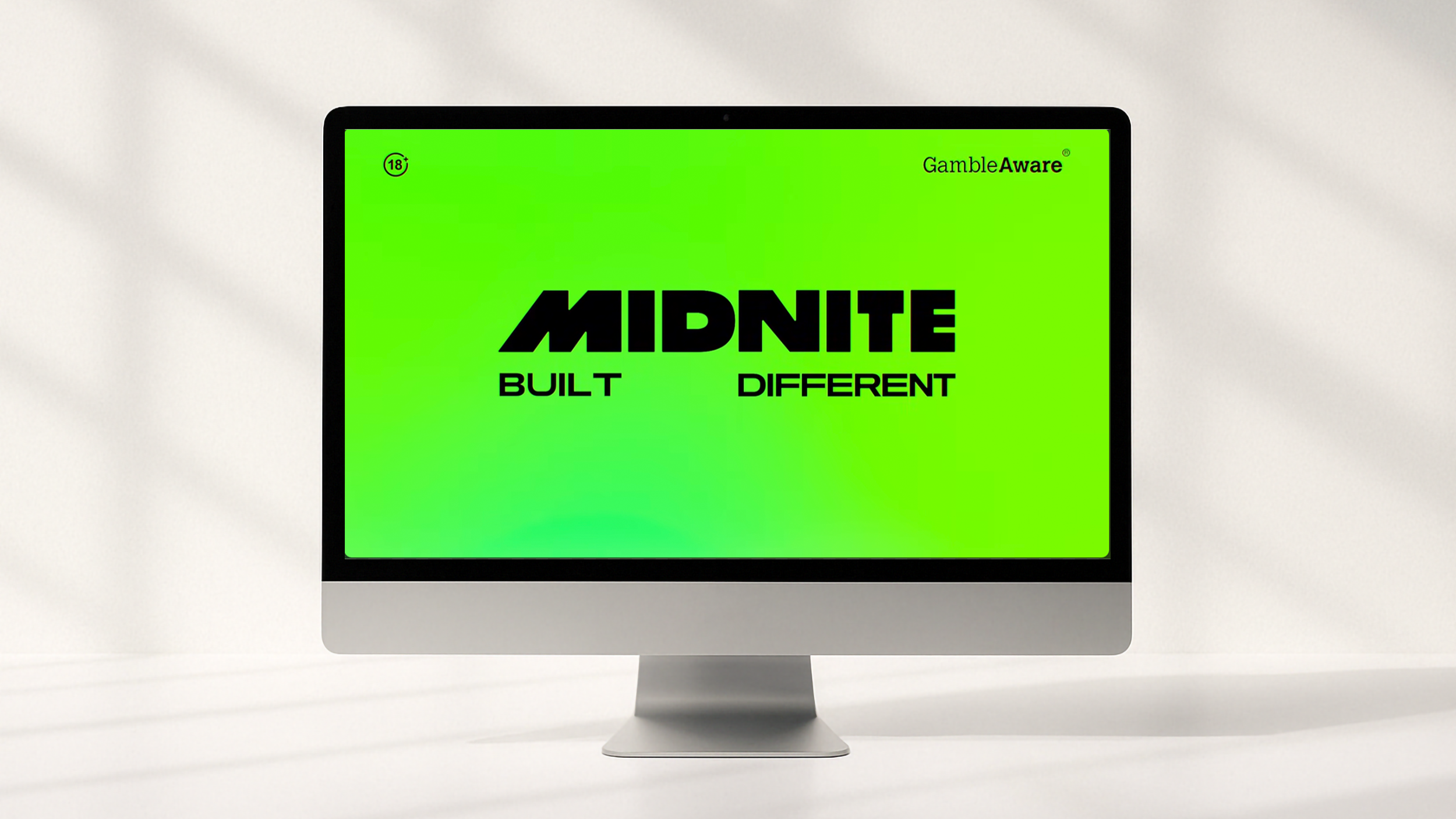
Built different campaign by 72andsunny
A radio advert about locking a train toilet door sent me searching for an explanation. What I found was one of 2026’s more interesting advertising campaigns: a challenger betting brand deliberately trying to escape the conventions of its category, a group of listeners struggling to work out what they were being sold, an app sent to the edge of space and, eventually, an Advertising Standards Authority ruling. The more interesting question, however, is not simply whether Midnite’s Built Different campaign was good or bad, but whether advertising can be considered successful when it is memorable enough to provoke a search while still being unclear enough that the search is necessary in the first place.
The betting advert I thought was a train announcement
If you use British trains regularly, you probably recognise the particular piece of technological theatre involved in going to the toilet on one of the newer carriages. The door slides shut electronically, illuminated buttons compete for your attention and there is always a faint suspicion that pressing something in the wrong order could result in the entire door gliding open again at precisely the wrong moment. It is one of those pieces of modern technology that somehow manages to make a simple physical latch look like an engineering breakthrough.
When I first heard a radio advert talking about train toilet doors not working properly, I therefore assumed it had something to do with the railway. Perhaps passengers really were getting the buttons wrong often enough that somebody had commissioned an audio campaign reminding people how to lock them properly. The premise sounded plausible because the frustration itself was so familiar, particularly to anyone who spends enough time travelling on British trains.
The advert continued, however, and eventually the subject somehow became a sports betting company called Midnite. That was the point at which the advertising became considerably more interesting to me, not because I had any particular intention of finding a new betting app, but because I could not immediately understand why a bookmaker had spent part of its media budget talking to me about train toilets. I did what most of us now do when an advert leaves an unanswered question in our head and searched for it online.
From Midnite’s point of view, something rather valuable had happened. An advertisement for a betting company had persuaded somebody with no intention of researching a betting company to voluntarily search for the brand and investigate its marketing. At the same time, the reason I had searched was partly because I had spent much of the advert believing it was advertising something else. That contradiction sits at the heart of Midnite’s Built Different campaign and raises a much more interesting marketing question than whether the joke itself was funny: if an advert is memorable enough to make somebody Google it, but unclear enough that they need Google to work out what it was advertising, has it worked brilliantly or failed at one of advertising’s most fundamental tasks?
The answer may inconveniently be both.
What is the Midnite ‘Built Different’ campaign?
Midnite is a UK sports betting and casino brand operated in Great Britain by Dribble Media Limited, which is listed by the Gambling Commission as the operator behind the Midnite trading name. Founded by Nick Wright and Daniel Qu, the company positions itself very deliberately as a technology-led challenger to the established bookmakers that dominate the British betting market. That positioning has been supported by substantial investment, including a reported $35 million Series C funding round in January 2026 led by Raine Partners, taking Midnite’s total reported equity funding above $75 million.
Its first UK-wide campaign with 72andSunny Amsterdam launched in April 2026 after the agency won the account the previous year. Rather than falling back on the familiar visual language of betting advertising, with football crowds, goals, odds, celebrations and supporters reacting to sporting moments, the creative begins in far less glamorous territory. Supermarket scanners refuse to scan, hotel lights misbehave, vending machines fail to vend, key cards refuse to cooperate, taps become needlessly complicated and digital systems introduce irritation where simplicity ought to exist. The people caught in these situations remain outwardly restrained while an exaggerated pulsing vein provides the visual expression of the frustration they are trying not to show.
The connection to Midnite comes through the campaign’s central proposition. The brand cannot fix every badly designed piece of technology in somebody’s life, but it claims that its own betting and casino products have been built with greater care. Once that idea becomes clear, the train toilet starts to make much more sense. Midnite is not really advertising train toilets, supermarket scanners or smart taps at all; it is using them as shorthand for a much broader cultural frustration with technology that promises convenience but often delivers friction.
On its own website, Midnite describes Built Different as more than an advertising line, connecting it to product design, customer journeys, withdrawals, deposits and the broader experience of using the platform. Those are naturally company claims rather than independent proof that Midnite’s technology is objectively superior to its competitors, but they reveal the strategic logic behind the creative. The campaign is essentially a positioning exercise disguised as a series of observations about the small technological irritations people encounter every day.
Why would a betting company want to talk about anything except betting?
For a challenger brand, behaving like the market leader can be one of the fastest ways to disappear. Established bookmakers already possess decades of familiarity, large customer bases, considerable share of voice and longstanding associations with British sport. Midnite cannot recreate that history overnight, and attempting to imitate the advertising conventions of brands that already dominate the category would mean competing on territory those companies have spent years occupying.
Built Different takes a more useful route by reframing heritage as baggage. Midnite’s own language repeatedly challenges legacy systems, established thinking and the assumption that traditional bookmakers can rely indefinitely on familiarity. Even phrases such as “Grandad’s bookie”, which have appeared around its positioning, turn age and recognition into potential vulnerabilities rather than automatic advantages. If the established betting world can be made to represent yesterday’s technology, Midnite’s relative youth becomes something it can present as a strength.
That is a recognisable challenger-brand strategy. Smaller or younger brands do not necessarily need to appear bigger if they can convince people that the very reason they are smaller or newer is what gives them permission to rethink the category. In Midnite’s case, the product argument and the advertising argument need to support each other. A brand claiming to have rebuilt the betting experience for a more modern audience cannot then communicate in exactly the same way as every incumbent it is trying to challenge.
The campaign therefore attempts to make difference visible. Patrik Lenhart, group creative director at 72andSunny Amsterdam, has spoken about a category heavily dependent on repetition and familiarity, while Midnite’s own head of brand marketing, Andrew Mook, has discussed the importance of building memory, attribution, consistent brand cues and a strong sonic identity. The important point is that Built Different is not primarily a feature campaign explaining one clever function in an app. It is an attempt to establish Midnite itself as a different kind of betting brand and to create assets people might eventually associate with it instinctively.
That objective makes the train toilet execution particularly revealing because it tests whether distinctiveness and attribution are actually arriving together.
The train toilet advert reveals both the genius and the problem
The exact train-toilet radio execution is surprisingly difficult to locate in Midnite’s official online material. At the time of writing, there does not appear to be an easily accessible authoritative transcript of that particular version, and it is important not to confuse it with the radio advertisement later described in the ASA ruling. What can be found, however, is independent evidence from listeners who heard it and experienced some of the same confusion.
In a Digital Spy discussion about radio advertising in May 2026, listeners talked about Midnite’s strange collection of adverts involving technology failing to behave as expected. One participant specifically referred to an execution about train toilet doors not working, while another indicated that it had taken repeated exposure before they understood which advertiser was behind the campaign. A few forum posts are obviously not representative audience research, and they should not be treated as evidence that Britain as a whole struggled to identify Midnite, but the comments are still useful because they reveal a genuine behaviour that sits at the centre of the creative strategy.
The advertising was getting noticed and remembered, but the identity of the advertiser was not always landing at exactly the same speed. In branding terms, those are related but distinct outcomes. Distinctiveness asks whether a piece of communication stands apart from competing messages. Attribution asks whether the audience knows which brand it belongs to. Relevance concerns whether the communication makes sense coming from that particular brand, persuasion concerns whether it changes how somebody thinks or feels, and action concerns whether the audience subsequently does something.
My own encounter with the train toilet advert produced an unusually mixed version of that scorecard. The execution was distinctive enough to stay in my head and relevant enough to connect instantly with a recognisable everyday experience, yet the connection to Midnite was initially unclear. Despite that, or perhaps partly because of it, the advert generated action by making me search for the campaign. The result is a branding paradox worth taking seriously, because the advertising may have succeeded through the same mechanism that made it vulnerable to misattribution.
Is making somebody Google your advert a marketing success?
There is a tendency in advertising commentary to treat attention as though it settles every argument. If people noticed it, shared it or talked about it, the assumption quickly becomes that the campaign worked. The problem is that advertising history contains plenty of memorable creative where audiences remember the joke, character, song or spectacle while struggling to recall the brand that paid for it.
Midnite’s campaign is more interesting because confusion can potentially generate a second interaction rather than simply representing a dead end. A listener hears something strange, recognises the everyday frustration, wonders why a betting company is talking about it, searches for the advert and eventually discovers the wider Built Different proposition. What might otherwise have been a thirty-second exposure can turn into several minutes of voluntary engagement with the brand, its campaign and its positioning.
That is an appealing argument for the creative, but it would be a mistake to assume that everybody completes the same journey. For every curious listener who searches for “Midnite train toilet advert”, there may be many more who hear the spot, find it odd and move on. Curiosity gaps can be powerful precisely because they leave something unresolved, but there is a point at which intrigue becomes incomprehension and the audience simply abandons the effort.
The campaign is therefore less interesting as a debate about whether people found the adverts amusing than as an example of how far a brand can move away from immediate product explanation before the distance becomes counterproductive. Most advertising sits much closer to the safe end of that spectrum. The brand name appears repeatedly, the product is visible, the benefit is explained and the call to action is unmistakable. Nothing is particularly confusing, but the cost of clarity can sometimes be complete forgettability.
Midnite travels much further in the opposite direction. That gives the work greater room for surprise, personality and memory, but it also creates more space in which the advertiser can become detached from the thing people remember. The creative opportunity and the attribution risk are therefore inseparable.
Radio makes the strategy even more dangerous
The visual versions of Built Different have several tools that radio cannot use. There is the exaggerated pulsing vein, the distinctive colour palette, recurring compositions, brand graphics and the visual absurdity of everyday technology being treated with almost disproportionate seriousness. All of those elements help form a recognisable campaign world even before the viewer reaches the final brand reveal.
Radio removes most of that architecture and leaves Midnite dependent on copywriting, timing, vocal delivery, repetition, music and sonic branding. That helps explain why the company has spoken so deliberately about building a recognisable audio identity around the campaign. In established brands, a few notes can eventually perform much of the work normally done by a visual logo, but those associations are accumulated through years of repetition. Midnite was attempting to create such an asset while simultaneously relying on it during its first major national brand campaign.
That makes audio an unusually revealing test of Built Different. Someone listening while driving, commuting or making dinner is not studying the creative. The advert has to interrupt their attention, establish the everyday frustration, deliver the conceptual leap and ensure the Midnite name remains attached to the experience, all without the visual brand world doing any of the supporting work.
The train toilet execution suggests the strategy can certainly command attention, because people remembered it well enough to discuss and search for it. What is less certain is whether every listener immediately connected that memory to Midnite. That does not necessarily mean the approach is unsuccessful, but it does demonstrate how much the campaign asks from a relatively young sonic identity.
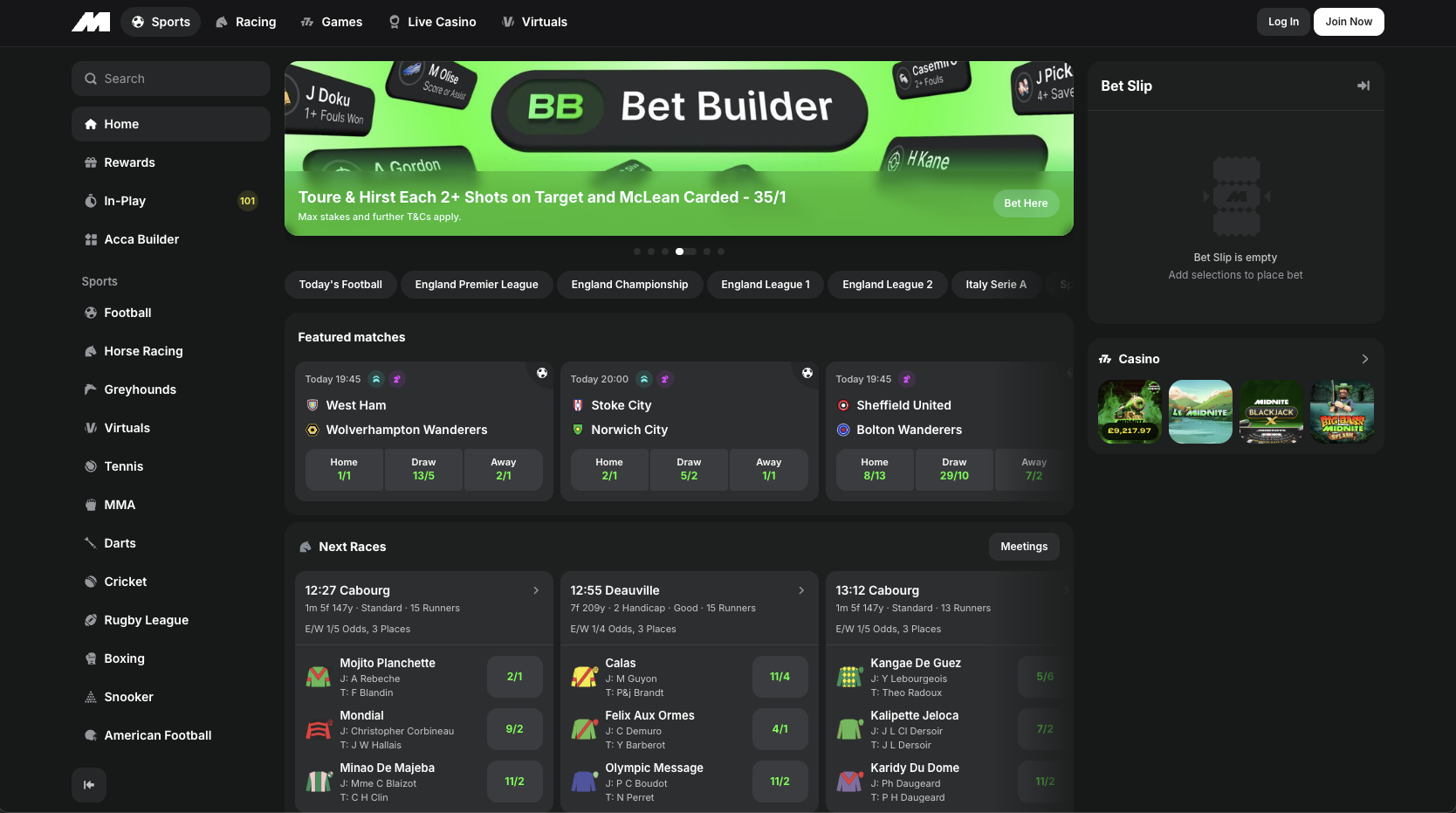
Hompage midnite.com
The campaign is much bigger than one annoying toilet door
One reason Built Different deserves more serious analysis is that its central idea is unusually expandable. Once a brand decides that badly functioning modern technology represents the enemy, almost any minor inconvenience can become another execution. Supermarket checkouts, hotel rooms, key cards, vending machines, smart televisions, QR-code logins, voice-controlled remotes and gym lockers can all sit within the same creative system without requiring the campaign to reinvent itself every time.
Consistency gradually changes the effect. A single strange advert can look like an isolated joke, whereas a repeated pattern begins to form a recognisable brand territory. This matters particularly for a challenger that needs to build memory quickly. The audience does not necessarily have to understand every execution in isolation if repeated encounters eventually teach them what the system means and who owns it.
The advertising industry also appears to have taken an interest. Creativebrief ranked Midnite’s work as the most-viewed item in its New Work section during July 2026. That should not be exaggerated into proof that the campaign was Britain’s most successful advertising, because it says nothing definitive about customer acquisition or broader public effectiveness, but it does indicate that the work was attracting unusually strong attention within an advertising-focused audience.
Midnite also extended the platform beyond traditional media by sending a device running its app approximately 120,000 feet above Earth and placing a wager on England winning the World Cup. Produced with Sent Into Space and Press Box PR, the activation transformed the abstract claim of being “built different” into something deliberately excessive and physical. The PR team later reported more than 50 pieces of coverage and 40 backlinks, figures that should be understood as campaign-side reporting rather than independent performance measurement, but which nevertheless illustrate how easily the idea can be turned into earned-media activity.
The stunt does not prove that placing a bet from the edge of space tells consumers anything especially useful about using the product at home, but that is not really its role. It is brand theatre, designed to turn a positioning statement into a story people might repeat. Challenger brands often need exactly that kind of story because functional product claims alone rarely create cultural attention.
Then Built Different ran into a much more serious problem
On 12 August 2026, the Advertising Standards Authority published a ruling concerning five Midnite advertisements that had appeared during April and May. The investigation covered two television ads, two video-on-demand ads and one radio execution, and the ASA recorded 125 complaints.
The regulator’s concern was not whether Midnite could substantiate a claim about the quality of its technology. Instead, the issue centred on the relationship between the sequence of everyday frustrations and the later introduction of gambling. The ASA concluded that repeatedly showing irritating situations before moving to Midnite’s betting or casino products could imply that gambling offered a way to move on from those frustrations. In its view, that created the possibility of presenting gambling as a response to personal problems or emotional irritation and therefore risked portraying socially irresponsible gambling behaviour.
Midnite disputed that interpretation. The company argued that the situations were deliberately mild technological annoyances rather than serious personal or financial problems, while the pulsing vein was intended as obvious comedic exaggeration. It maintained that the creative idea concerned faulty technology rather than emotional escape and that the betting products appeared as further examples within a broader technological comparison. Clearcast and Radiocentre offered broadly similar interpretations during the investigation.
The ASA nevertheless judged the cumulative structure differently and concluded that consumers could reasonably interpret the final pivot to gambling as relief from the frustration established beforehand. The complaints were upheld and the five advertisements were instructed not to appear again in the form complained of.
For marketers, the most important part of the ruling is the distinction between intended meaning and received meaning. A brand can have a coherent strategy, an agency can explain exactly what an execution was supposed to communicate and compliance teams can understand the intended joke, but none of that gives the advertiser complete control over how an audience or regulator interprets the finished work.
No, the train toilet advert was not identified as the banned radio ad
This distinction is worth making clearly because coverage of regulatory decisions often compresses nuance into the much simpler headline that an advert was “banned”. The radio execution described in the ASA ruling is not the train toilet advert that first led me into the campaign.
The ASA describes a radio spot involving a smart television, QR-code login, the inconvenience of having to re-enter information and a voice-activated remote, before the creative moves into Midnite’s casino messaging. The train toilet version appears to sit within the same broader family of Built Different radio advertising, and independent listener discussion confirms that such an execution was being heard during the campaign, but there is currently no authoritative evidence that it was itself one of the five advertisements covered by the August ruling.
Nor did the ASA ban Midnite from advertising or prohibit Built Different as a brand platform. The ruling required the specific advertisements under investigation not to appear again in the form complained of and instructed the company to ensure future advertising did not present gambling as a response to personal problems or portray harmful gambling behaviour.
That distinction matters because it is the difference between accurately describing a regulatory decision and turning it into a more dramatic story than the facts justify.
The ban exposes the campaign’s most interesting strategic weakness
The irony is that the creative device that makes Built Different distinctive is also the device that made parts of it vulnerable to regulatory interpretation. Midnite wants the viewer or listener to understand a simple comparison: much of the technology around you is badly designed or unreliable, while Midnite believes its own technology has been built more thoughtfully.
The same sequence, however, can produce a second reading. If an advert spends most of its running time establishing frustration and then introduces gambling immediately afterwards, a regulator may see a relationship between the emotional state created in the first half and the product offered in the second. The conceptual distance that makes the advertising more interesting than a conventional bookmaker execution therefore creates more room for unintended interpretations.
This does not mean the ASA ruling proves the underlying strategy was poor. It demonstrates that creative ideas cannot be judged independently of the category in which they operate. A food-delivery platform, banking app or mobile network could potentially talk about rescuing somebody from an irritating day without triggering the same concern, but gambling advertising carries a different set of responsibilities because of the behaviours and vulnerabilities associated with the product.
Built Different therefore offers a useful reminder that distinctiveness is contextual. A creative device that feels harmlessly witty in one category can become materially more complicated in another, particularly when regulation focuses not simply on what an advertiser says but on what the sequence of images, sounds and emotions might imply.
So, was Midnite’s Built Different campaign actually successful?
There is no honest way for an outsider to answer that question purely in commercial terms because Midnite has not published enough campaign-specific acquisition data, independent brand-lift research or detailed attribution evidence to establish exactly what Built Different delivered. The company has been growing, has raised substantial capital and continues to present itself as a challenger seeking to become a major UK operator, but it would be misleading to attribute those developments to a single advertising campaign without stronger evidence.
From a branding perspective, however, the campaign can be assessed more meaningfully. On attention, it appears strong. The adverts have been noticed, discussed, searched for and covered by advertising publications, while the wider platform has supported PR ideas such as the space activation. On distinctiveness, the work is stronger still because malfunctioning train toilets, hotel lights and vending machines are not conventional bookmaker territory and immediately separate the campaign from much of the visual and verbal grammar associated with sports betting.
The platform also performs well in terms of extensibility. Almost any irritating technological experience can become another episode, while Built Different is broad enough to stretch into sponsorship, PR and editorial activity without depending on one execution. That gives Midnite something more valuable than an isolated advertising concept because it creates the beginnings of a reusable brand property.
Attribution is more complicated. Midnite has explicitly said that memory and brand attribution matter to the strategy, yet anecdotal evidence includes people who noticed the advertising while struggling to identify the company behind it. That does not establish a widespread problem, but it highlights the central risk of moving too far from obvious category cues. Product communication creates a similar tension because the connection between broken everyday technology and a modern betting platform makes strategic sense once Midnite’s positioning is understood, but the audience has to make a relatively long conceptual jump before arriving there.
Regulatory resilience is the clearest weakness of the first wave. Five executions were found to breach advertising rules and could not continue in the form investigated, which demonstrates that the creative platform required adjustment in order to operate safely within the restrictions surrounding gambling marketing.
The most interesting conclusion is therefore not that Built Different was either brilliant or unsuccessful, but that several of its strongest qualities and biggest risks are the same thing viewed from different angles.

Homepage 72andsunny.com
What Midnite gets right about challenger branding
There is a broader reason the campaign is worth studying even for marketers with no particular interest in betting. Modern advertising has become extraordinarily efficient at explaining products and frequently much less effective at making people care. Brands are surrounded by dashboards, conversion metrics, testing frameworks and pressure to communicate benefits quickly, which often produces work in which the product, proposition and call to action are so clear that nobody could misunderstand them.
The problem is that clarity alone does not create memory. A perfectly comprehensible advert can still disappear into the category around it, particularly when every competitor is using the same imagery, language and emotional cues. Midnite takes the opposite risk by allowing the audience to spend part of the advert wondering why they are hearing about the thing in front of them. It leaves a deliberate gap between the everyday story and the betting product, relying on strangeness, recognition and entertainment to earn attention before the brand arrives.
For an established bookmaker, such a strategy might be unnecessary. For a relatively young challenger trying to enter a mental shortlist already occupied by brands such as bet365, William Hill, Sky Bet, Paddy Power and Ladbrokes, immediate comprehensibility may matter less than escaping the sea of familiar category advertising in the first place.
Where Midnite still has work to do is in ensuring that difference becomes owned difference. The strange advert needs eventually to become recognisable specifically as a Midnite advert rather than simply “that strange advert about a toilet”. Its sonic identity needs enough repetition to retrieve the brand automatically, and the broader technology idea needs to become sufficiently familiar that people understand why Midnite is talking about badly functioning scanners, taps and televisions without requiring further explanation.
That process takes time because distinctive brand assets do not arrive fully formed. They acquire meaning through repetition. Some of the confusion surrounding Built Different may therefore be less a sign of failure than a glimpse of what a new brand system looks like before the audience has fully learned it.
The advert did its job, just not quite in the way advertising normally does
After looking more closely at the campaign, the train toilet advert makes considerably more sense than it did when I first heard it. Midnite was not arbitrarily connecting a bookmaker with a piece of railway technology. It was attempting to claim a much broader territory around badly built modern experiences and position itself as the betting company created by people who believe technology should work better.
That is a genuine brand idea rather than a collection of disconnected jokes. It is broad enough to generate multiple executions, strange enough to create memory and strategically useful to a challenger that cannot compete with the heritage of much older bookmakers. The space stunt demonstrates how far the platform can stretch, the investment in sonic branding shows that Midnite is thinking beyond individual adverts, and the continued use of Built Different suggests the company sees it as more than a temporary campaign line.
My initial reaction remains useful, however, because it reveals the cost of that ambition. I genuinely thought, for part of the advert, that somebody from the railway was explaining how to use a toilet door. I then discovered a betting company, searched for the campaign and spent considerably longer thinking about Midnite than I would have done if the advert had opened with a football crowd and immediately told me about an app.
From the perspective of attention, that is difficult to dismiss. From the perspective of attribution, it creates a legitimate question, while the ASA ruling demonstrates that creative distance can also produce interpretations the advertiser never intended.
Perhaps that is why Built Different is such an interesting campaign to examine. Its greatest strength is not that everybody immediately understands it, but that it is willing to tolerate some uncertainty in pursuit of something advertising increasingly struggles to earn: genuine curiosity. There is a line somewhere between an advert everybody understands but nobody remembers and one everybody remembers but nobody understands. Midnite has deliberately positioned itself remarkably close to that line, and the fact that I went looking for the answer suggests that, at least in one case, the strategy worked.
Midnite Built Different: Frequently Asked Questions
What is the Midnite train toilet advert?
The Midnite train toilet advert is a radio execution associated with the brand’s 2026 Built Different campaign. It uses the familiar frustration of electronic train toilet doors not behaving as expected as part of a wider creative idea about badly designed everyday technology. Midnite then contrasts those experiences with its own positioning as a betting and casino platform built around more modern technology. Independent listeners discussed the execution online in May 2026, although an authoritative public transcript of this specific version remains difficult to locate.
Who created the Midnite Built Different advertising campaign?
Midnite’s first UK-wide Built Different advertising campaign was created with 72andSunny Amsterdam. The agency won the account in 2025 and launched the national campaign in April 2026 across television, video, radio, social and out-of-home media.
Why are the Midnite adverts about things not working?
The campaign reflects Midnite’s challenger positioning. The company argues that much of the traditional betting industry relies on older systems and legacy technology, while Midnite presents its own platform as a more modern product. Everyday technological failures such as broken scanners, vending machines, smart taps and frustrating login systems provide a humorous way of dramatising that contrast.
Why was the Midnite advert banned?
On 12 August 2026, the Advertising Standards Authority upheld complaints about five Midnite advertisements. The ASA considered that repeatedly showing everyday frustrations before introducing Midnite’s betting or casino products could suggest gambling as a way of obtaining relief from those frustrations. It concluded that the advertisements portrayed socially irresponsible gambling behaviour and instructed that the five executions must not appear again in the form complained of.
How many complaints did the Midnite adverts receive?
The Advertising Standards Authority received 125 complaints concerning the five Midnite television, video-on-demand and radio advertisements investigated in its August 2026 ruling.
Was the Midnite train toilet advert banned?
There is currently no authoritative evidence that the specific train-toilet radio execution was one of the five advertisements covered by the ASA ruling. The radio advert described by the regulator instead involved a smart television, QR-code login, re-entering login information and a voice-activated remote. The train-toilet execution appears to belong to the same wider Built Different creative family, but it should not be described as one of the banned ads without further evidence.
Was Midnite banned from advertising?
No. The ASA did not ban Midnite from advertising and did not prohibit the Built Different platform itself. Its ruling stated that the five specific advertisements it investigated must not appear again in the form complained of and instructed Midnite to ensure future advertising did not present gambling as a response to personal problems or portray harmful gambling behaviour.
What is Midnite?
Midnite is a sports betting and online casino brand operated in Great Britain by Dribble Media Limited. It positions itself as a technology-led challenger to established UK betting brands, with much of its marketing focused on presenting its product as more modern and deliberately built differently from legacy bookmakers.